Run with your twin
Marathons can be safer, smarter, and more sustainable with help from AI and other emerging technologies
Marathons as an innovation test bed
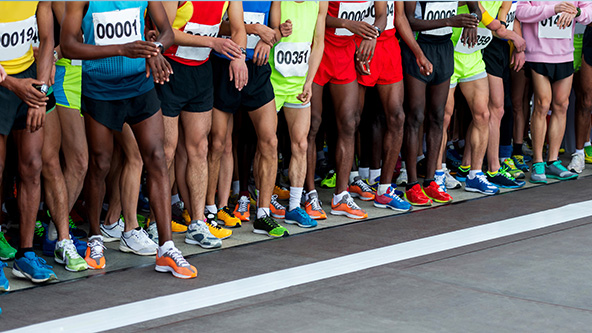
Marathons are fundamentally human-powered, and that’s precisely what makes them a compelling showcase for technology. These city-scale events combine logistics, safety, health monitoring, and huge crowds on a defined route and schedule. That makes marathons ideal places to prototype and scale emerging technologies that improve safety, operational efficiency, sustainability, and the fan experience.
Marathons can be safer, smarter, and more sustainable with help from AI and other emerging technologies
AI powers race-day innovations
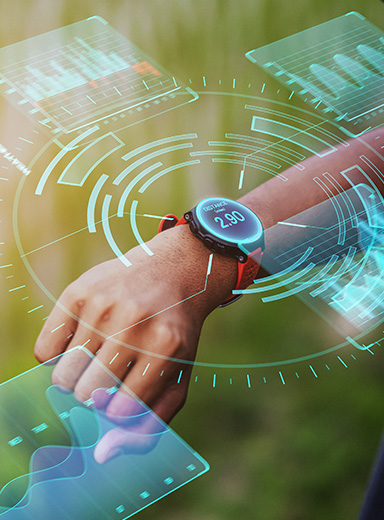
AI is the brain behind future race-day innovations. It can simulate race-day environments and power real-time decision making. AI can make these innovations adaptive, predictive, and personalized. Without it, these technologies would simply be reactive to data.
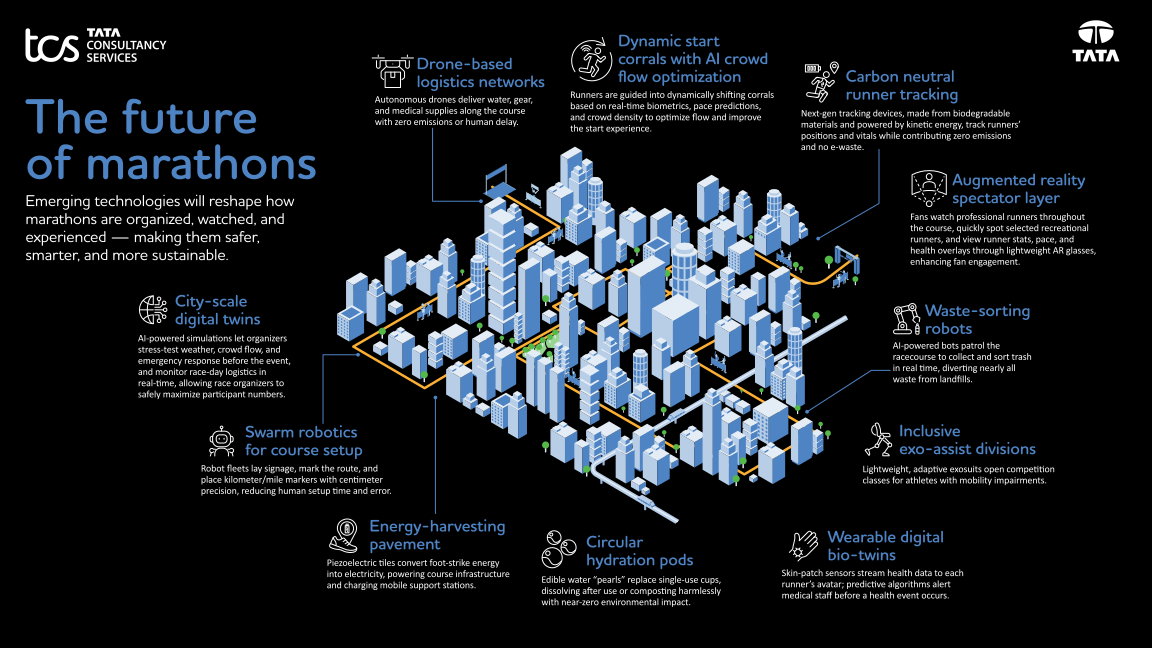
Simulate weather, crowd flows, and emergency responses at scale. Organizers test race scenarios before race day to maximize safety and participant capacity.
Real-time corral assignment using biometric, pacing, and crowd density data. Reduces early congestion and mismatched pacing for a safer, fairer start.
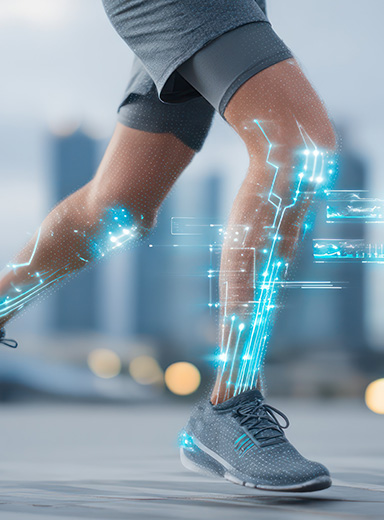
Skin-patch sensors stream health data into personalized digital twins. Predictive alerts let medical teams intervene before serious incidents occur.
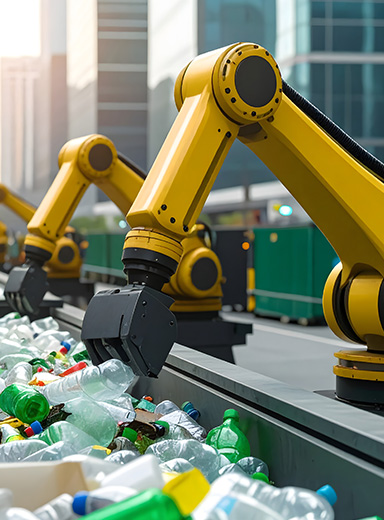
AI-powered robots throughout the course sort compostables, recycling, and landfill waste. Dramatically cuts landfill waste and improves event cleanliness.
Edible and compostable hydration pods replace single-use cups. Removes a major waste source while keeping runners hydrated and the course clean.
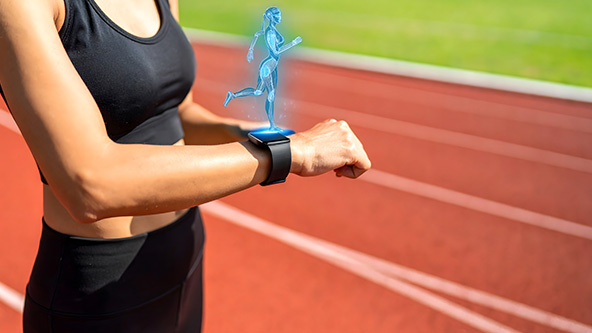
TCS’ Future Athlete Project is home to our efforts to transform how people train, compete, and recover with emerging technology. As part of this initiative, TCS is helping a diverse group of runners by creating digital twins of their hearts. Insights from their digital twins can help them better understand how their bodies perform under various conditions, identify potential health risks, and tailor their training to have success on race-day.