TCS Enterprise AI Study
Intelligence that is real
Drawing on the perspectives of more than 1,300 executives across 25 countries and 12 industries, the TCS Enterprise AI Study examines how organisations are moving beyond productivity gains to make more consequential choices about AI architecture, governance, economics, and work.
1,300+
executives
25
countries
12
industries
Productivity is proven, setting the stage for revenue growth
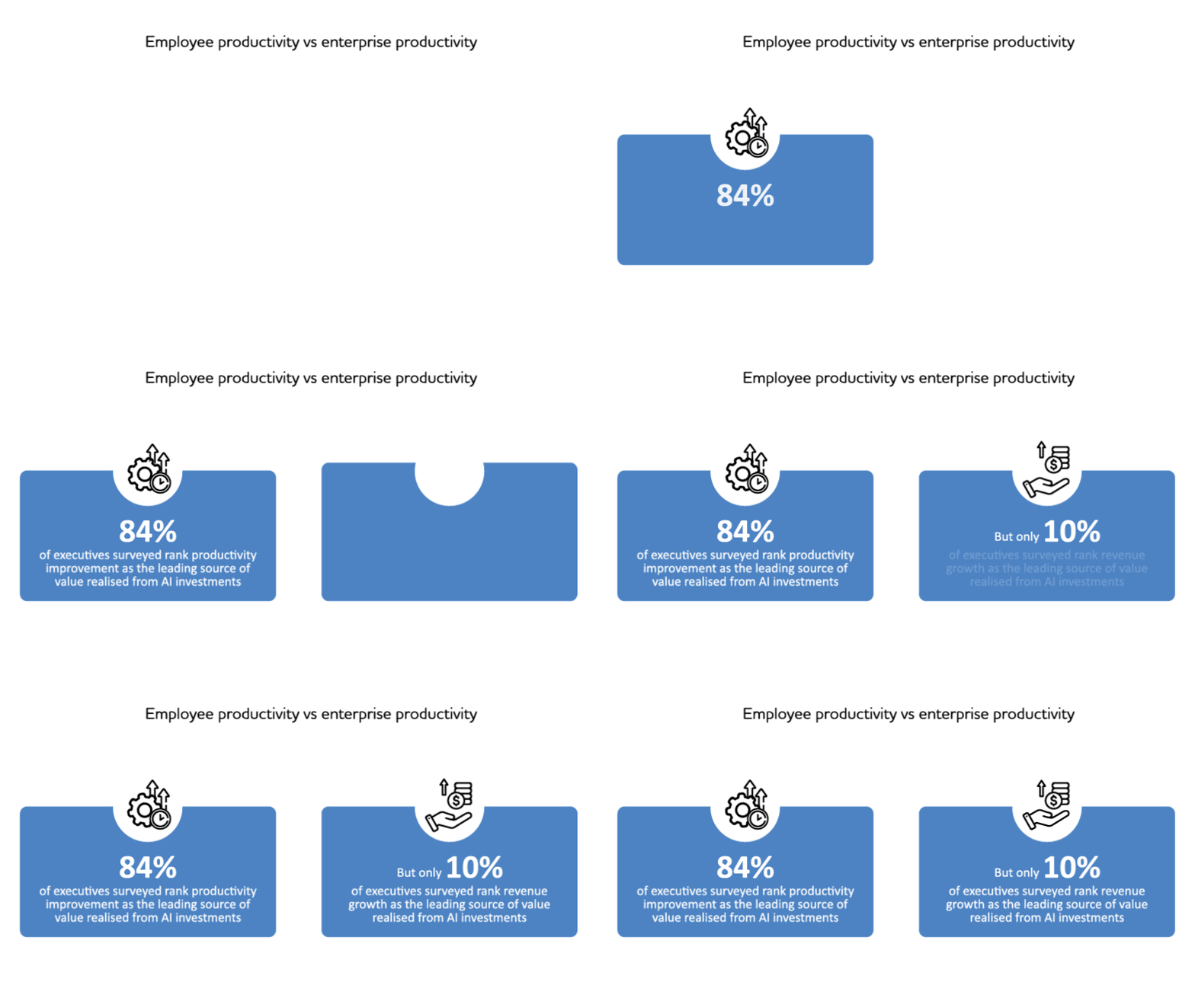
The vast majority of respondents rank productivity improvement as the leading source of value realized from AI investments. Revenue growth, at just 10%, points to the challenge ahead: translating employee productivity gains into top-line enterprise impact.
Attention is shifting to the architectural decisions that shape the security, control, flexibility, and resilience of AI environments.
Agentic AI raises the stakes
Only 9% of respondents say their AI agents can securely orchestrate workflows using governed tools and permissions.
Security is top of mind for the next phase of enterprise AI
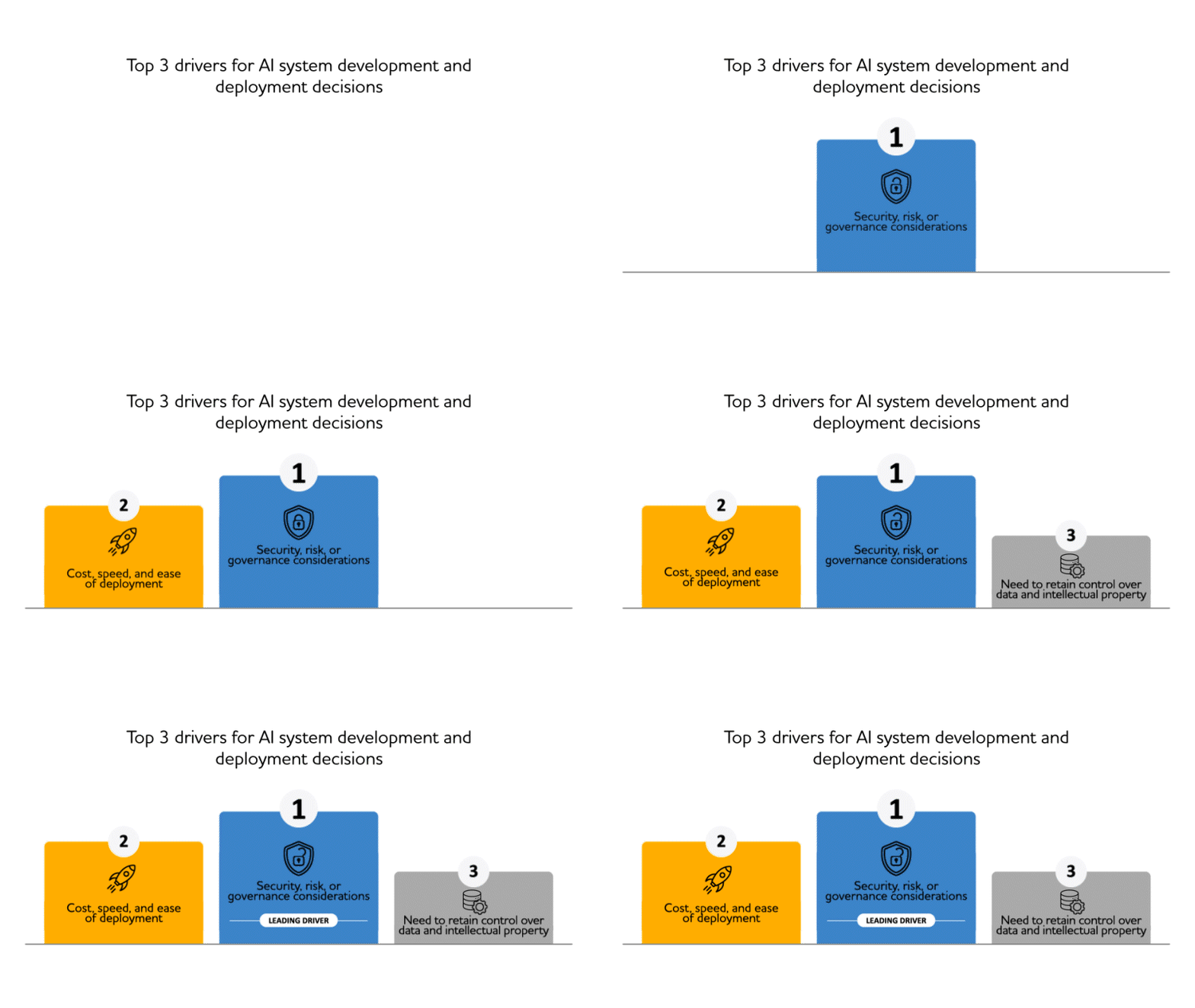
Security, risk, and governance now lead AI deployment decisions, outweighing cost, speed, and ease of deployment.

Model flexibility outpaces disruption readiness
As organisations build the foundations for AI at scale, organisations place a growing emphasis on flexibility and control over these environments.
Sovereignty requirements add a new layer of AI risk
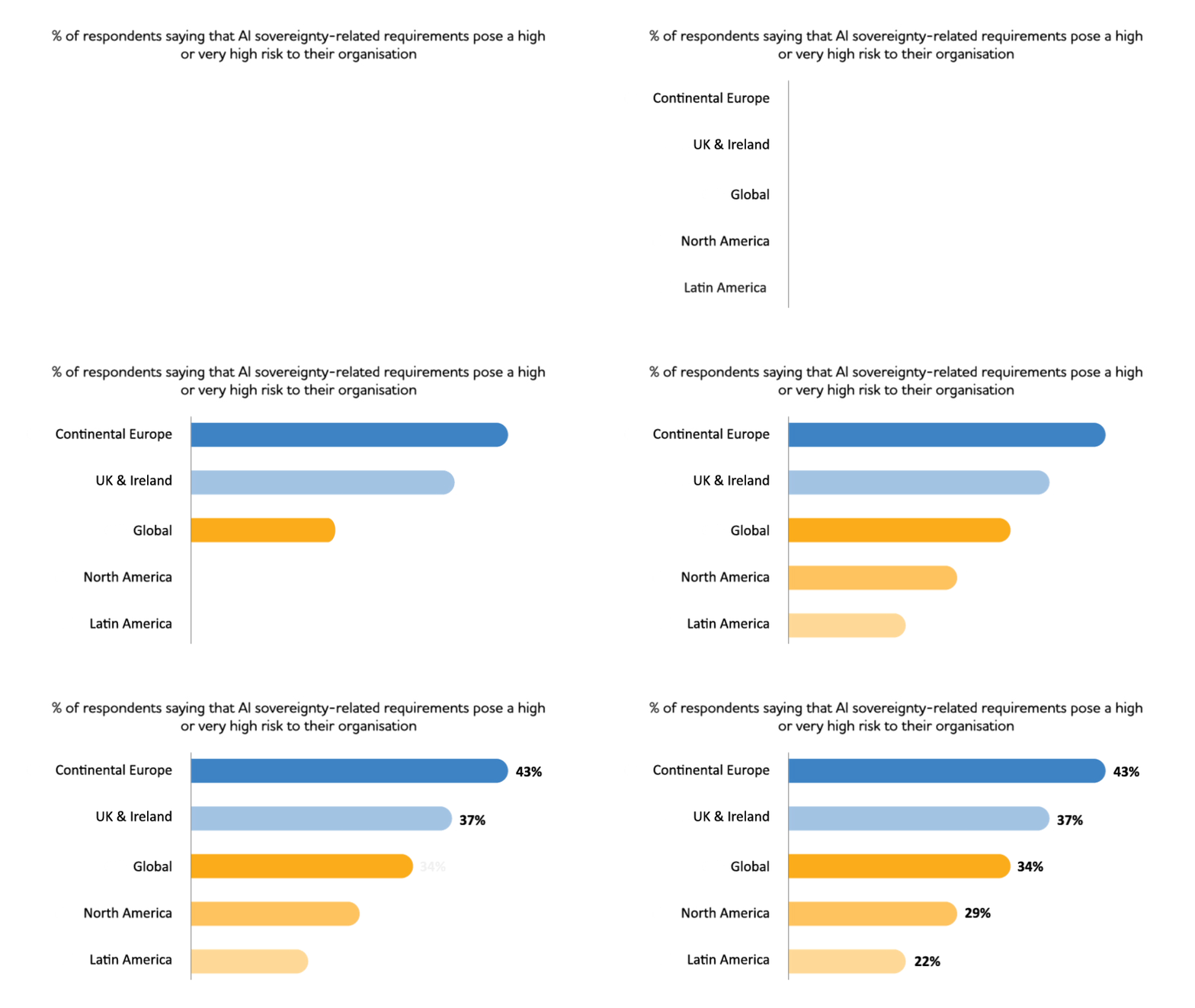
More than a third of global respondents describe requirements for control over AI data location, model choice, and regulatory or data-residency compliance as a high or very high organisational risk, with considerable regional differences.
AI economics are coming into focus
Economic discipline is developing alongside architectural flexibility.
The more we know, the less we know
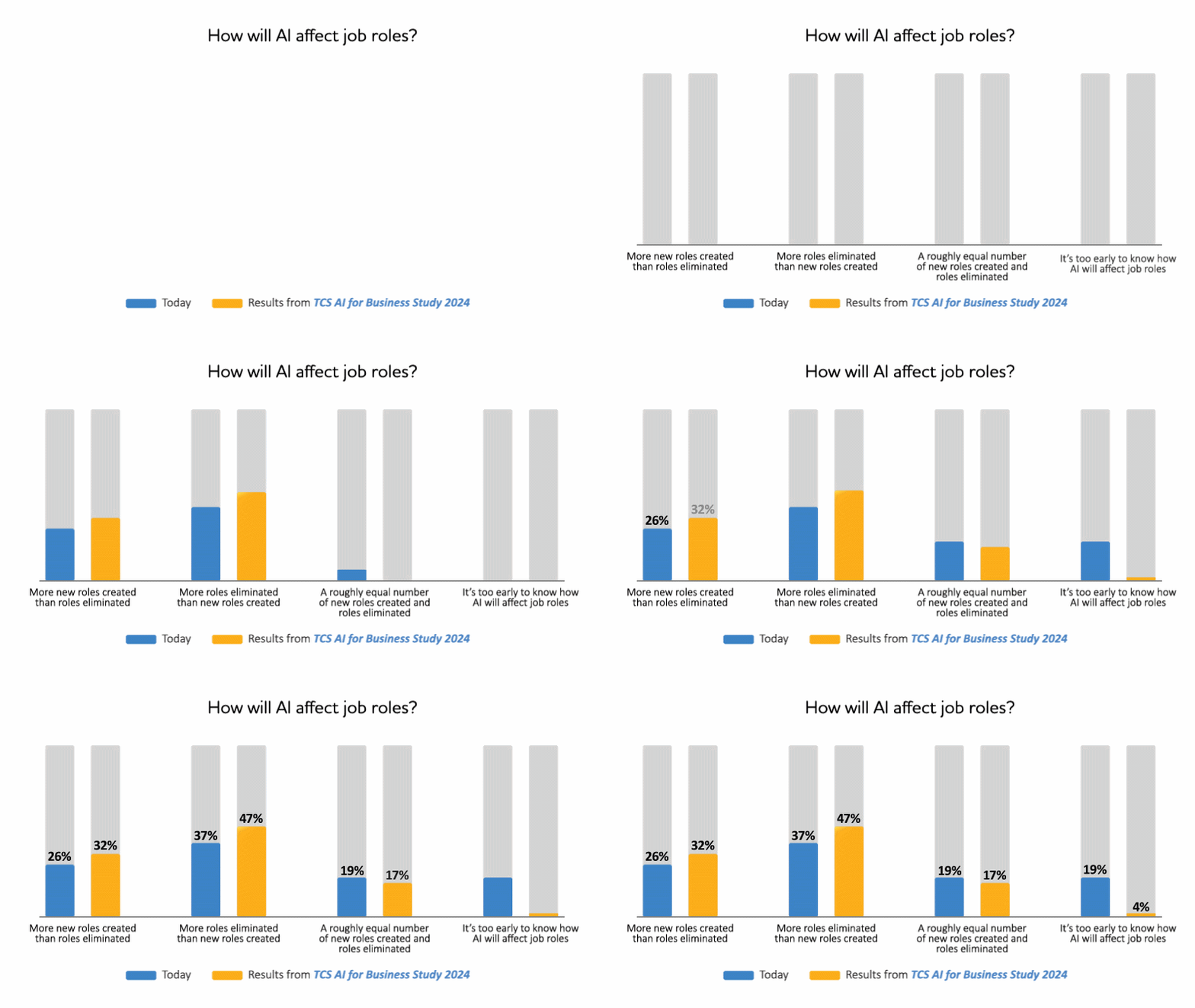
As organisations gain practical experience with AI, confidence in predicting workforce outcomes is declining.
Workforce systems need to catch up
Just 28% of respondents maintain an enterprise framework or evolving skills taxonomy
The next phase of enterprise AI is here.
Scaling AI depends on a connected set of choices: the architectures organisations build, the security and governance they embed, the autonomy they allow, the economics they manage, and the workforce systems they put in place.
The study repeatedly shows that trust, data readiness, governance, and operationalisation remain among the largest barriers to scale. Organisations should prioritize investments that improve data accessibility, quality, context, and interoperability, while establishing built-in controls and instrumentation that monitor outcomes, manage risk, and maintain accountability.
AI strategy is increasingly becoming architecture strategy. Leaders should evaluate how architecture decisions affect long-term flexibility, continuity, and risk exposure. This includes reducing unnecessary dependence on individual models or providers, strengthening continuity planning, assessing sovereign AI requirements, and establishing clear approaches to platform and model management.
Scaling AI goes beyond technical ownership. Organisations should establish clear executive accountability and operating models that connect technology decisions with process transformation, governance, workforce planning, and business value realisation.
AI is already reshaping decisions, responsibilities, and ways of working, even as long-term workforce impacts remain uncertain. Organisations should move beyond isolated skills initiatives and develop workforce systems that connect emerging capabilities with learning, career progression, performance management, workforce planning, and mobility.