Service
Artificial Intelligence

Building a Smarter, Connected Tomorrow with AI-first and Agentic AI
Highlights
- Artificial intelligence (AI)‑driven prediction of length of stay (LOS) at hospitals can enable proactive planning, help optimise resources, and improve patient flow in healthcare operations.
- By leveraging time‑varying clinical data and advanced statistical AI, predictive LOS models move hospitals from reactive estimation to dynamic, real‑time forecasting.
- Ensemble and explainable AI approaches enhance prediction accuracy and trust, supporting scalable adoption for operational, clinical, and financial decision‑making.
- AI‑driven LOS prediction enables hospitals to proactively manage capacity and workforce planning, reduce operational costs, alleviate overcrowding, and improve patient experience through more efficient admissions, coordinated care delivery, and timely discharge planning.
On this page
On this pageinpage
Why length of stay (LOS) matters
Length of stay (LOS) is a critical metric that shapes hospital resource allocation, operational efficiency, and cost management. Longer stays increase expenses and restrict bed capacity, while shorter, well‑managed stays improve patient flow and reduce overcrowding. Accurate LOS prediction strengthens planning for beds, staffing, and discharge operations. This is especially useful during crises, such as the COVID‑19 pandemic, when it is essential to manage limited resources while ensuring continuity of care. Also, moving from a reactive estimation to data‑driven forecasting enables more efficient and patient‑centric healthcare delivery.
Predictive LOS models deliver measurable benefits in clinical, operational, and financial domains. They reduce emergency department congestion, improve surgery and procedure scheduling, and support more accurate budgeting by preventing unnecessary inpatient days. Clinically, they enhance discharge planning, lower readmission rates, and enable earlier intervention for high‑risk patients. By integrating predictive analytics into everyday operations, hospitals achieve balanced gains in efficiency, cost control, and care quality.
Factors, stakeholders
LOS is influenced by a combination of patient, clinical, operational, and admission‑related factors. Patient characteristics, including age, comorbidities, insurance status, and the level of home support, play a significant role in determining recovery duration. In particular, older individuals and those with chronic conditions typically experience extended hospital stays. Clinical elements such as diagnosis complexity, Charlson index, lab results, procedures, and medication history introduce additional variability. Operational factors such as bed availability, staffing ratios, specialty unit capacity, and discharge planning directly shape hospital efficiency. Admission‑related details such as type of admission, source, prior hospitalisations, and timing also play a significant role. Together, these elements form a multidimensional landscape that predictive models must capture to deliver accurate LOS forecasts and support better resource management.
Because LOS impacts multiple areas of healthcare operations, prediction is valuable to a wide range of stakeholders:
- Hospital administrators: Improve bed planning and reduce overcrowding.
- Physicians: Identify potential long‑stay patients early and streamline care delivery.
- Insurance providers: Use LOS forecasts for cost estimation and reimbursement planning.
- Data scientists: Integrate diverse variables using statistical and machine learning methods to enhance model accuracy.
Understanding both LOS drivers and the needs of stakeholder helps shape predictive solutions that improve operational readiness, financial outcomes, and patient-care quality.
Prediction challenges
Predicting the LOS is complex due to multiple data and operational challenges. Healthcare datasets are often highly skewed, with many records showing zero hospital days, making accurate modeling difficult. Patient conditions change dynamically, reducing the reliability of static predictions. Data heterogeneity in electronic health records (EHR), labs, and imaging requires extensive preprocessing, while inconsistencies such as incorrect coding and lack of granularity further distort outcomes. External factors like seasonal variations and public‑health crises also introduce unpredictability, and patient‑reported data can add bias.
Key challenges include:
- Highly skewed and zero‑inflated datasets
- Rapid changes in patient conditions
- Inconsistent, low‑granularity, or missing data
- Variations in EHR (Electronic health records), lab, imaging, and patient‑reported sources
- Seasonal surges and public‑health disruptions
- Continuous validation requirements
Using data that evolves over time allows the model to reflect changing patient conditions, introduce dynamic risk factors, and continuously refine predictions during the hospital stay. This approach delivers more accurate and real‑time outcomes than traditional snapshot‑based methods, reinforcing the need to move beyond single‑point length of stay predictions.
Value of time‑varying data in LOS prediction
Instead of using a single snapshot of data recorded during patient admissions, time‑varying data allows the model to learn and recognise common clinical trajectories, such as typical post‑surgical recovery curves or chest‑related conditions. The model can leverage deteriorating or improving trends to identify patients who may stay longer or be ready for discharge sooner than expected (see Figure 1).
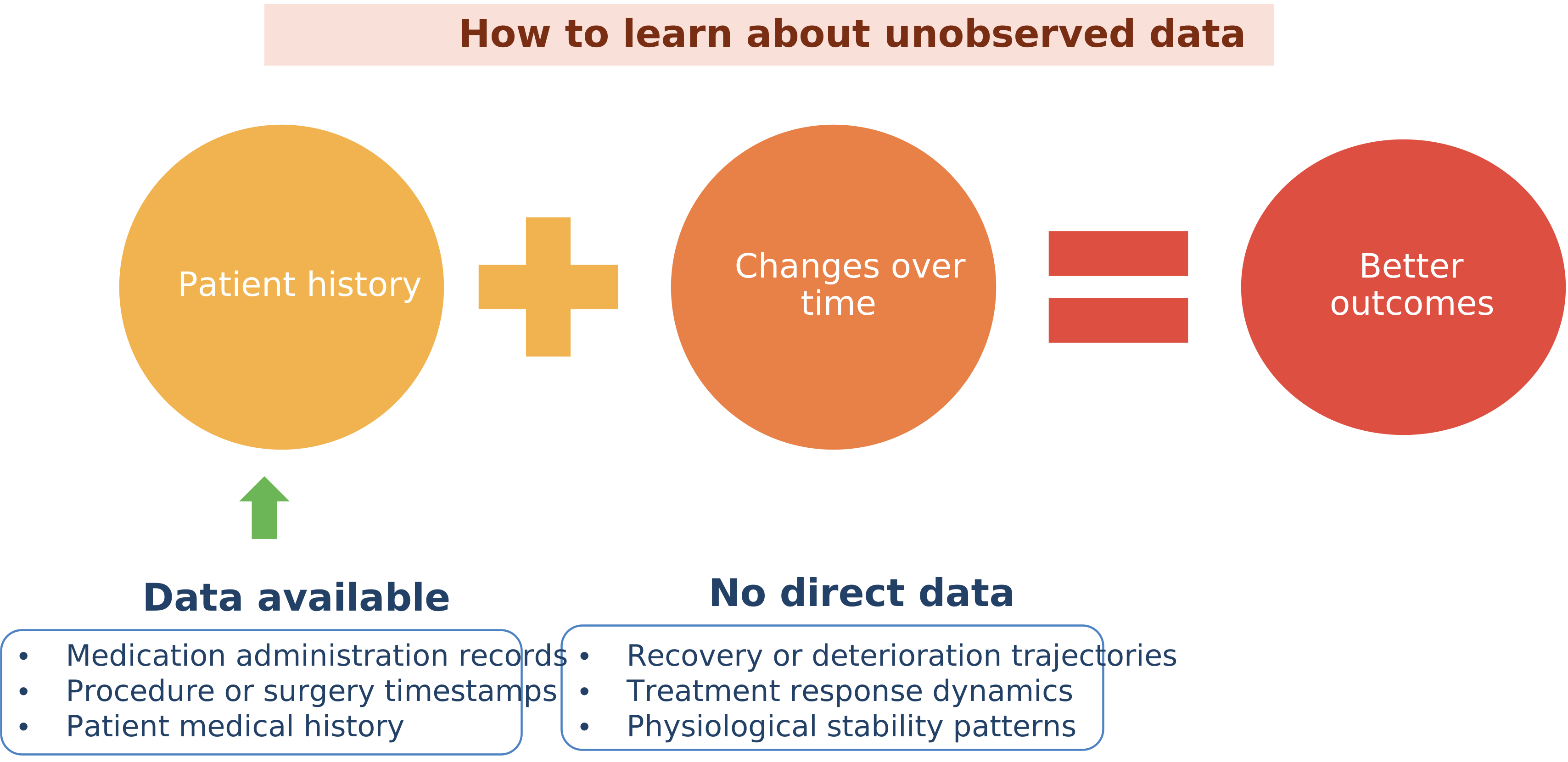
Figure 1: Better decisions with unobserved data
Figure 1: Better decisions with unobserved data
Why time‑varying data improves LOS prediction:
- Gives more weight to recent data, reflecting real‑time clinical status
- Enhances feature engineering through trends and rate‑of‑change signals
- Allows sequence learning via recurrent neural network (RNN) or long short-term memory (LSTM) models
- Uncovers patterns that static models cannot capture
- Provides context‑specific explanations (eg Rising white blood cell (WBC) count over 48 hours)
- Learns treatment‑response effects better over time
Rather than relying on absolute values, the model assesses the rate of change in key variables, such as whether creatinine levels are improving, because trend‑based signals typically carry stronger predictive power. By tracking how indicators evolve over time, the model learns treatment response and continuously refines length of stay forecasts. This shifts prediction from a static estimate to a dynamic operational signal that enables earlier escalation or discharge decisions, reduces avoidable bed days, improves bed and staff utilisation, and lowers cost per case.
Modern techniques
Contemporary approaches to LOS prediction utilise advanced statistical and machine learning techniques to enhance both accuracy and scalability. Conventional methods, including regression analysis and decision trees, have progressed towards ensemble approaches that integrate multiple algorithms to deliver improved performance. Commonly adopted techniques include Random Forest, Gradient Boosting Machines (GBM), artificial neural networks (ANN), ridge regression, Markov Chain Monte Carlo (MCMC), and bagged classification and regression trees (CART). Ensemble strategies, including weighted averaging, help reduce individual model limitations, while regularisation and correlation checks prevent overfitting (see Figure 2). These innovations enable hospitals to forecast LOS with greater precision, supporting proactive resource planning, and improved patient care. By blending statistical rigour with AI-driven methods, predictive models deliver robust solutions adaptable to diverse healthcare environments and complex data landscapes.
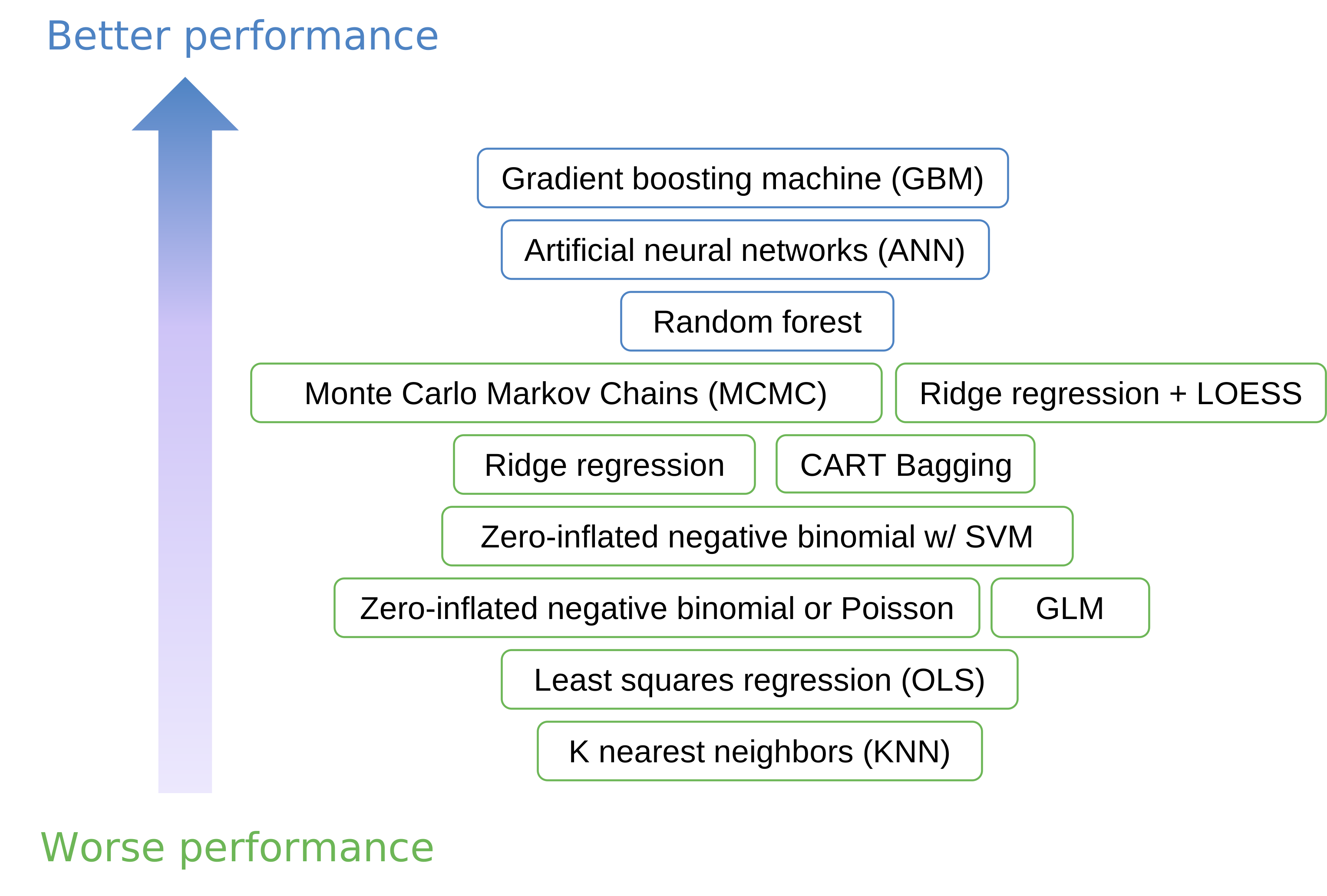
Figure 2: Performance gradient of statistical AI m
Figure 2: Performance gradient of statistical AI m
LOS model architecture and random forest approach
The length of stay (LOS) prediction framework begins with data collection from sources such as the medical information mart for intensive care III (MIMIC‑III) and electronic health records (EHRs). These inputs undergo rigorous preprocessing to ensure data quality and consistency. Feature engineering, including comorbidity counts, and exploratory data analysis (EDA) are then performed to identify relevant variables, followed by feature selection and creation of a master dataset. The master dataset is subsequently divided into training and testing sets, after which random forest is applied as the primary algorithm for prediction (see Figure 3).
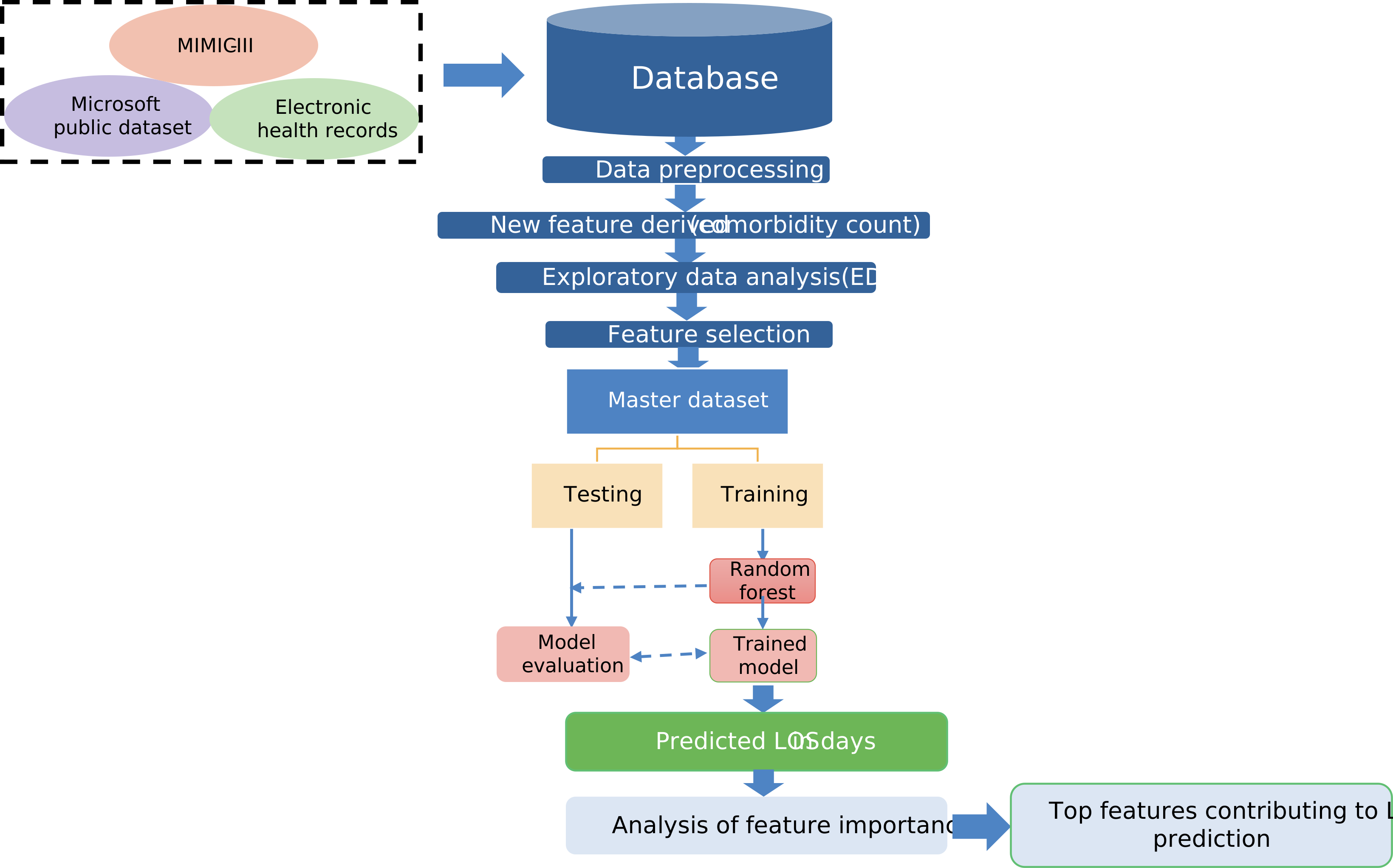
Figure 3: Length of stay model architecture
Figure 3: Length of stay model architecture
Key characteristics of the random forest approach:
- Constructs a large number of decision trees using randomly selected subsets of data and predictor variables
- Aggregates predictions, typically using the mode for classification or mean for regression, to enhance stability and reduce variance
- Effectively manages complex, non‑linear relationships within high‑dimensional datasets
- Generates feature importance metrics, enabling identification of the most influential drivers of LOS
After the model is developed, performance evaluation and feature importance analysis are undertaken to validate predictive accuracy and to determine the most significant factors contributing to the length of stay. The simple architecture and end‑to‑end prediction flow present the overall modelling steps in a clear and easy‑to‑understand manner, supporting transparency and interpretability.
Ensembling techniques and overfitting prevention
Ensembling is a machine learning technique that enhances model performance by combining predictions from multiple models. By integrating models with varying strengths and weaknesses, ensemble methods achieve greater accuracy, stability, and robustness compared to relying on a single model. Common approaches include bagging, boosting, and stacking.
Quiz blending is a practical ensembling technique used in machine‑learning competitions such as Kaggle. It is a form of stacking or weighted averaging, where model predictions are combined using empirically tested weightings to maximise validation performance and produce a blended prediction (see Figure 4).
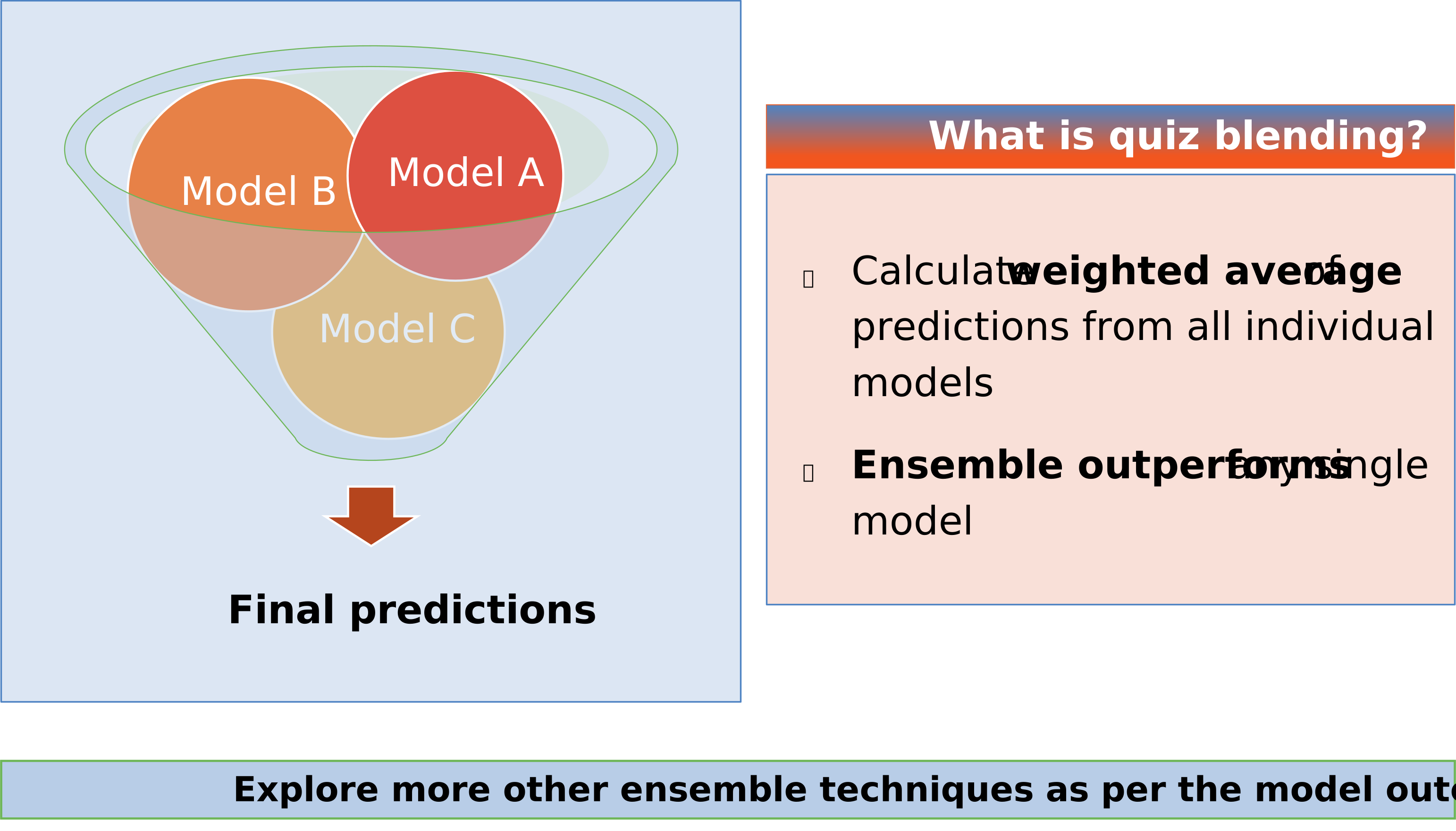
Figure 4: Ensemble technique using quiz blending
Figure 4: Ensemble technique using quiz blending
How to avoid overfitting in ensemble models:
- Maintain diversity by using different models or data sources
- Keep model complexity simple (eg, pruning or reducing base models)
- Apply robust validation such as cross‑validation or early stopping
Two key techniques used:
- Technique I: Remove highly correlated predictions (eg, >97% Pearson), since differences between highly correlated models are mostly random
- Technique II: Use regularisation to constrain model complexity, add penalties to the loss function, shrink coefficients, and improve generalisation
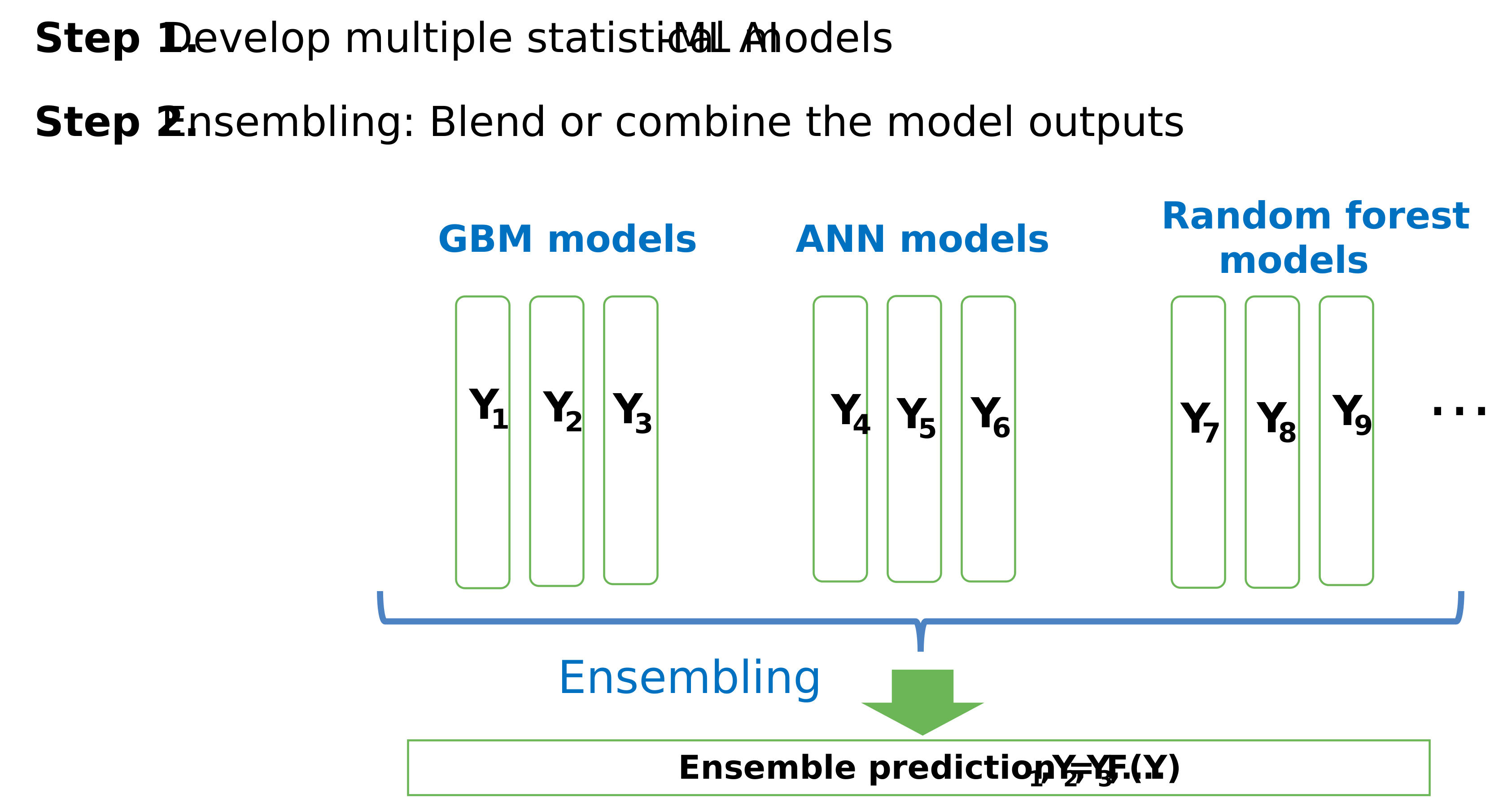
Figure 5: A hybrid approach with ensemble and stat
Figure 5: A hybrid approach with ensemble and stat
Future with GenAI
Generative AI (GenAI) is revolutionising hospital length of stay (LOS) prediction through advanced methodologies.
We can add statistical AI and GenAI to build statistical GenAI models for leveraging both.
Transformer-based zero-shot models analyse patient health timelines as sequences, enabling predictions without task-specific training.
Personalised graph transformers powered by large language models (LLMs) enhance interpretability by building rich knowledge graphs from EHRs.
Additionally, GAN-driven deep learning simulates patient trajectories to capture complex patterns in time-series data for accurate LOS forecasting. These approaches along with statistical AI support promise adaptability, precision, and scalability, but come with challenges such as computational intensity, data dependency, and risk of overfitting. As healthcare systems embrace these innovations, LOS prediction will become more robust and personalised, driving operational efficiency and improved patient outcomes. In essence, ‘statistical GenAI" will move beyond simple predictions, providing a comprehensive, data-rich, and clinically applicable framework for hospital operations and personalised patient care.